Thai Elephants and the Global Perspective: Love, Culture, and Different Understandings
Last updated: 3 Feb 2026
775 Views
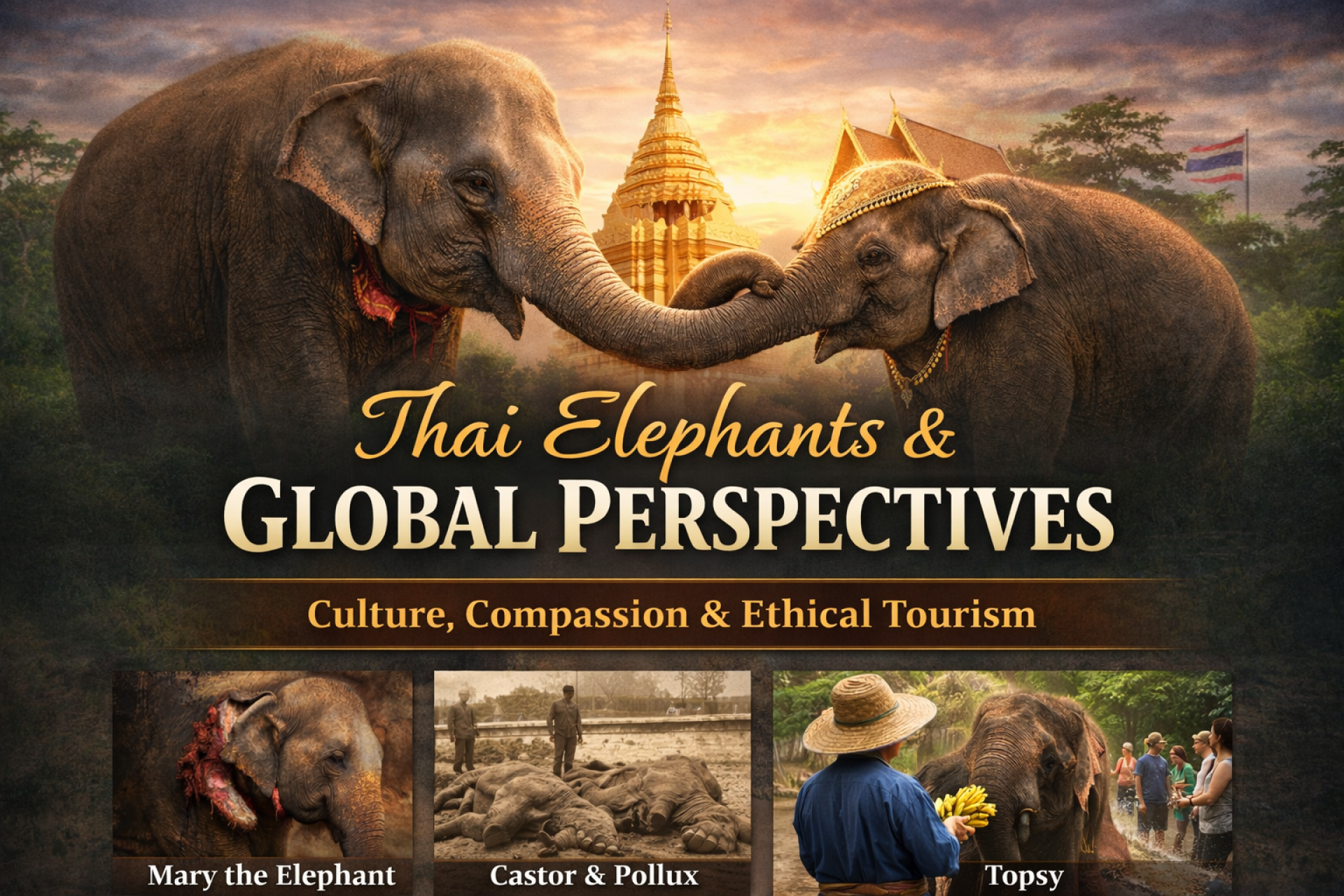
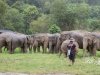
Thailand is one of the countries with a long and deep relationship with elephants. Elephants are not only former working animals or symbols of strength, but also important cultural and historical icons that are closely tied to Thai identity. Many mahouts and elephant caretakers see elephants as members of their own families, passing down knowledge of care from generation to generation. This often raises the question: Is there anywhere that loves elephants as much as the people who live and work with them every day?
In modern times, however, animal welfare and ethical tourism have become global concerns. Some international tourists may receive information or images that create the perception of elephant mistreatment, which can lead to criticism of elephant care practices in different countries. At the same time, many elephant camps and caretakers in Thailand have been adapting and improving their standards to align more closely with international animal-welfare principles.
History also shows that problems in the treatment of elephants have not been limited to any single nation. Several well-known historical cases are often cited in discussions about animal ethics, including:

https://www.idausa.org/assets/components/phpthumbof/cache/bm-forgotten-elephant-mary-mary-the-elephant-0916-source-findagrave-dot-com-0725.1f460f9b37184c565ff39ebe63b3344b.jpgMary the Elephant, who was killed after being judged impossible to control or train according to human expectations.

Mary the Elephant, who was killed after being judged impossible to control or train according to human expectations.

Castor and Pollux, twin elephants that were shot in a zoo and later used as meat.
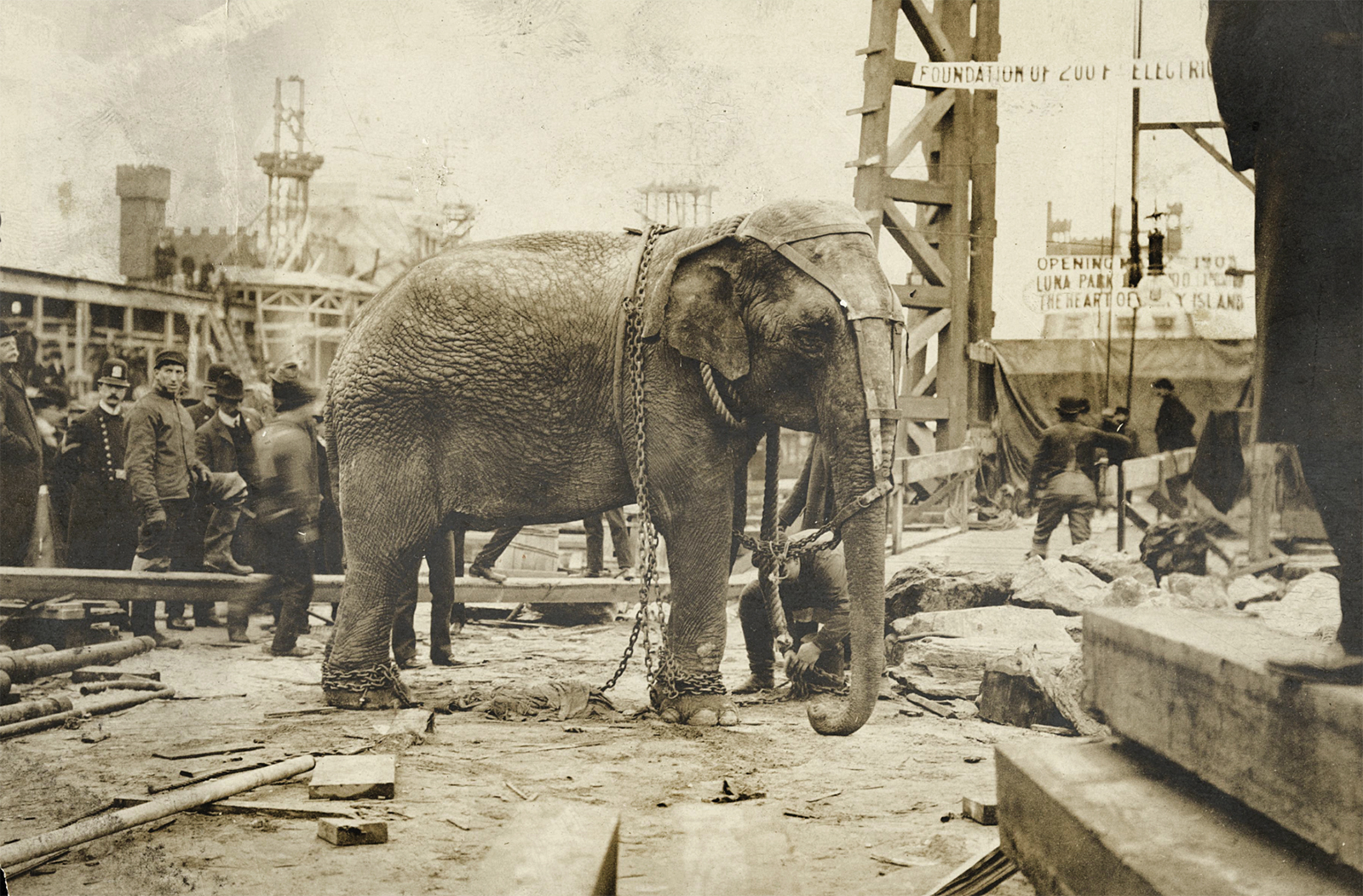
Topsy, an elephant that was put to death after appearing in film productions through the use of electrical execution.
These events are frequently referenced as historical lessons in animal welfare, highlighting how standards of care in the past were often inadequate and how such incidents contributed to the rise of animal-rights awareness worldwide.
In Thailand, elephants have long been regarded as national heritage animals, connected to royal history, religion, and traditional ceremonies. Today, many elephant sanctuaries and camps are shifting their focus toward activities such as feeding, bathing, observation, and educational experiences that emphasize the elephants’ natural behavior rather than heavy labor or stressful performances.
Conservation experts agree that transparent information and cross-cultural understanding are essential. Sharing knowledge and improving international cooperation on animal-welfare standards can help reduce misunderstandings and promote more responsible tourism.
Ultimately, ethical elephant care — respecting animal rights while preserving cultural heritage — is increasingly recognized as the path forward. Collaboration among caretakers, tourists, researchers, and authorities will be key to ensuring that elephants around the world are treated with dignity and compassion in the years to come.
In modern times, however, animal welfare and ethical tourism have become global concerns. Some international tourists may receive information or images that create the perception of elephant mistreatment, which can lead to criticism of elephant care practices in different countries. At the same time, many elephant camps and caretakers in Thailand have been adapting and improving their standards to align more closely with international animal-welfare principles.
History also shows that problems in the treatment of elephants have not been limited to any single nation. Several well-known historical cases are often cited in discussions about animal ethics, including:
https://www.idausa.org/assets/components/phpthumbof/cache/bm-forgotten-elephant-mary-mary-the-elephant-0916-source-findagrave-dot-com-0725.1f460f9b37184c565ff39ebe63b3344b.jpgMary the Elephant, who was killed after being judged impossible to control or train according to human expectations.
Mary the Elephant, who was killed after being judged impossible to control or train according to human expectations.
Castor and Pollux, twin elephants that were shot in a zoo and later used as meat.
Topsy, an elephant that was put to death after appearing in film productions through the use of electrical execution.
These events are frequently referenced as historical lessons in animal welfare, highlighting how standards of care in the past were often inadequate and how such incidents contributed to the rise of animal-rights awareness worldwide.
In Thailand, elephants have long been regarded as national heritage animals, connected to royal history, religion, and traditional ceremonies. Today, many elephant sanctuaries and camps are shifting their focus toward activities such as feeding, bathing, observation, and educational experiences that emphasize the elephants’ natural behavior rather than heavy labor or stressful performances.
Conservation experts agree that transparent information and cross-cultural understanding are essential. Sharing knowledge and improving international cooperation on animal-welfare standards can help reduce misunderstandings and promote more responsible tourism.
Ultimately, ethical elephant care — respecting animal rights while preserving cultural heritage — is increasingly recognized as the path forward. Collaboration among caretakers, tourists, researchers, and authorities will be key to ensuring that elephants around the world are treated with dignity and compassion in the years to come.

Related Content
At Chokchai Elephant Camp, our commitment to the well-being of our elephants goes beyond the ordinary. One of the unique initiatives we undertake is the creation of herbal vitamins tailored to enhance the digestive health of our beloved pachyderms.
The Understanding Elephant Digestion
Did you know that elephants are not only majestic, but also highly intelligent creatures?
Why do Chokchai Elephant Camp still has an elephant riding? In our concept of "better mahout life, better elephant care".


