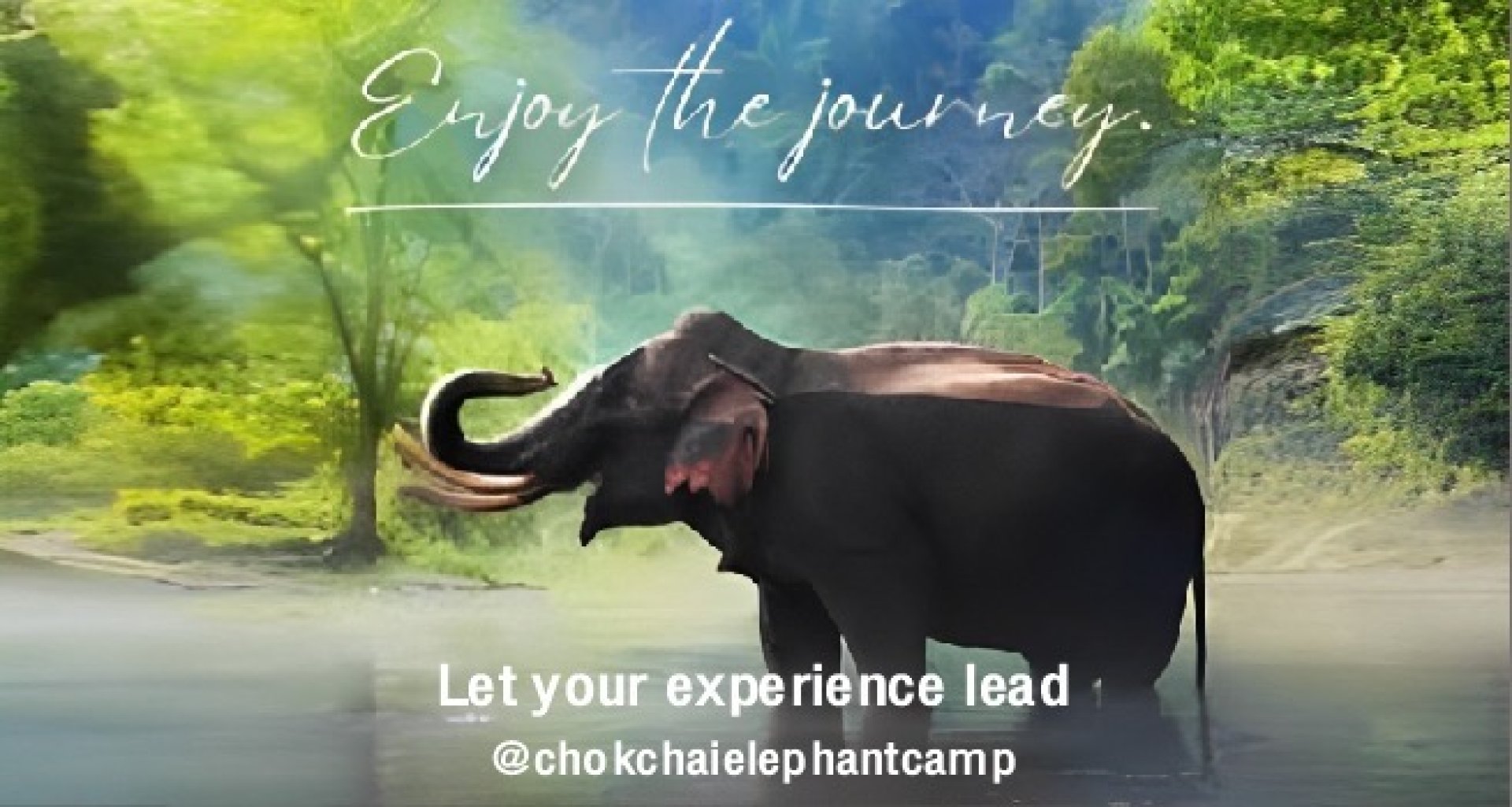
Join us in celebrating the wonders of nature as we feed these gentle giants!
Last updated: 17 Sept 2023
1149 Views

Related Content
Thailand has a long cultural and historical bond with elephants, where many caretakers view them as part of their families and communities. While global discussions about animal welfare sometimes lead to criticism, it is important to understand that elephant care practices vary widely and continue to evolve. Historical cases from different countries also show that mistreatment of elephants has occurred worldwide, not in one place alone. Today, many Thai elephant camps and sanctuaries are shifting toward ethical tourism models that focus on feeding, bathing, observation, and education rather than heavy labor. Promoting accurate information, transparency, and cross-cultural dialogue can help build mutual understanding and improve elephant welfare standards internationally.
Thailand offers a variety of elephant-related activities for visitors, ranging from riding experiences to non-riding interactions such as feeding, bathing, and educational programs. These options are considered personal choices, as each provides a different type of experience and level of interaction.
Elephant camps in Thailand operate under national welfare guidelines and industry standards that emphasize animal health, rest periods, proper nutrition, safe living environments, and professional care. In addition, Thai animal welfare laws establish clear regulations and penalties to ensure responsible treatment and consistent standards across the country.
Travelers are encouraged to learn about each activity, review the camp’s welfare practices, and select programs that align with their comfort level and values. Visiting elephant camps as an educational and cultural experience can help promote responsible and sustainable tourism while supporting proper animal care.
Chokchai and San-dee: Two majestic souls, forever bonded by friendship.