Related Content

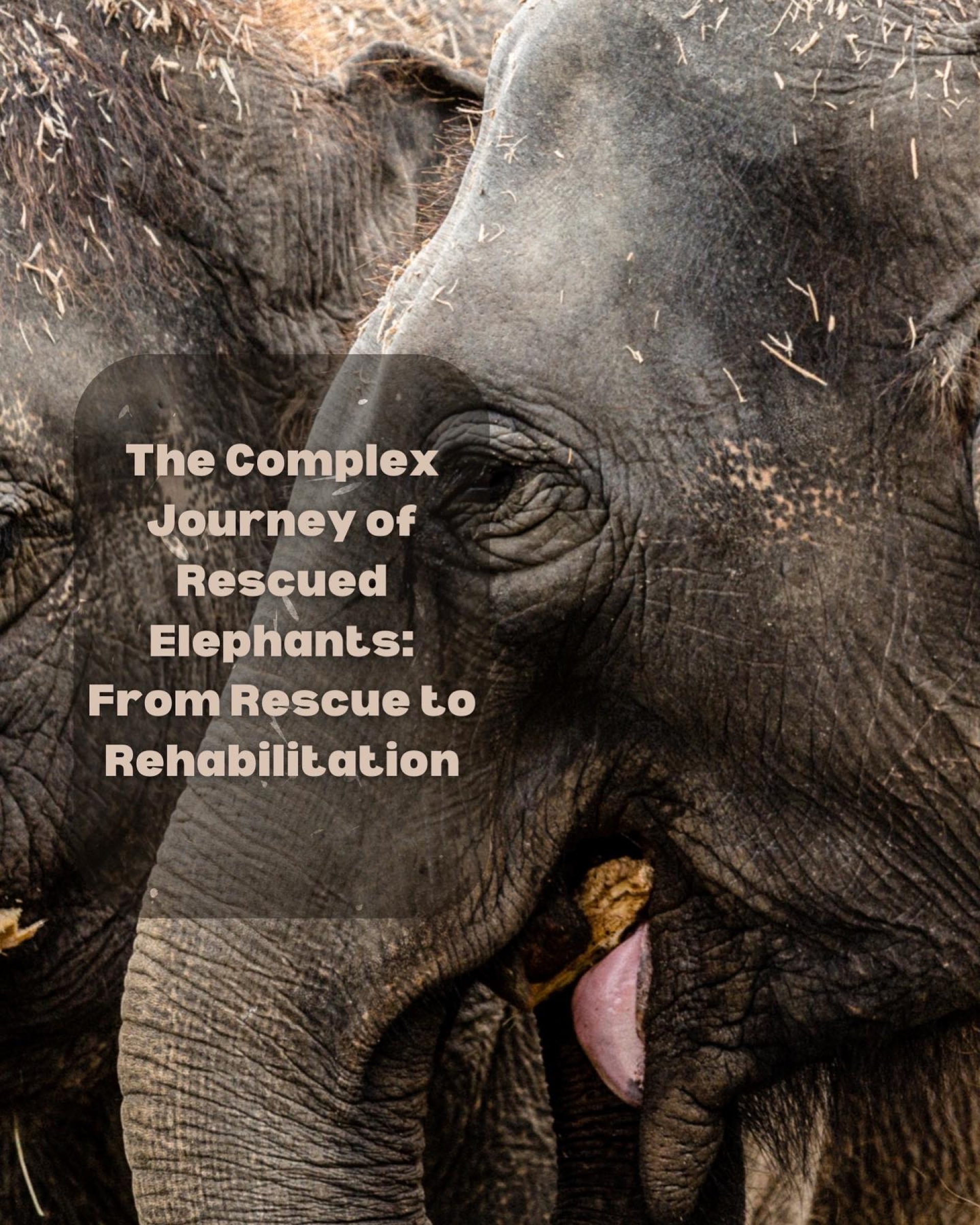
Thailand offers a variety of elephant-related activities for visitors, ranging from riding experiences to non-riding interactions such as feeding, bathing, and educational programs. These options are considered personal choices, as each provides a different type of experience and level of interaction.
Elephant camps in Thailand operate under national welfare guidelines and industry standards that emphasize animal health, rest periods, proper nutrition, safe living environments, and professional care. In addition, Thai animal welfare laws establish clear regulations and penalties to ensure responsible treatment and consistent standards across the country.
Travelers are encouraged to learn about each activity, review the camp’s welfare practices, and select programs that align with their comfort level and values. Visiting elephant camps as an educational and cultural experience can help promote responsible and sustainable tourism while supporting proper animal care.
Discover the fascinating world of elephants and learn why stepping on their poop can actually be a good thing!

We want to extend our heartfelt gratitude for choosing to visit Chokchai Elephant Camp. Your presence enriches our journey and brings joy to our gentle giants. We hope you had a memorable experience with us and created beautiful memories that will last a lifetime. Thank you for supporting our mission of promoting elephant welfare and conservation.