Share

Making Herbal Vitamins for Elephants
Last updated: 4 Oct 2023
2727 Views

The Understanding Elephant Digestion
To comprehend the significance of our herbal vitamins, one must first delve into the intricacies of the elephant digestive system. With a cylindrical-shaped stomach, elephants possess a simple digestive process where food is stored for gradual breakdown. The digestive efficiency of these gentle giants stands at approximately 40%-50%. Given the challenges posed by the digestion of their diet, providing supplementary vitamins becomes essential for optimal well-being.

The Art of Crafting Elephant Vitamins
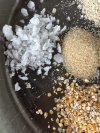
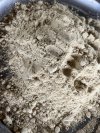
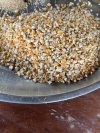
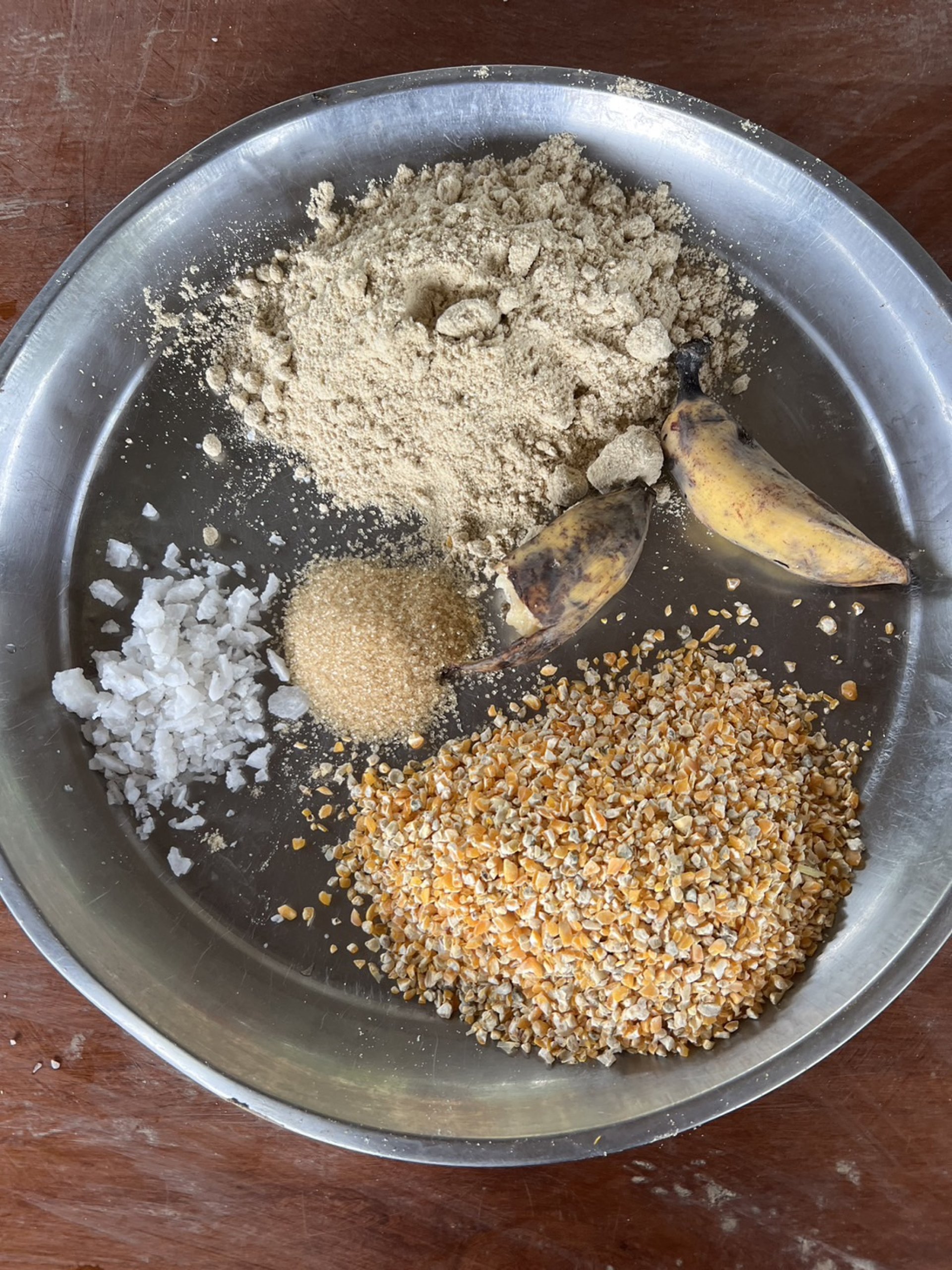
Our herbal vitamins are carefully concocted from natural ingredients, each serving a unique purpose in supporting the elephants' digestive system. The key ingredient, tamarin, takes center stage in this nutritional symphony; rich in fiber, potassium bitartrate, malic, and tartaric acids, tamarin aids in maintaining the consistency of digestion. Rice husk flour, a protein powerhouse, plays a crucial role in fortifying the overall nutritional content.

Additionally, elephants require essential minerals such as calcium, phosphorus, iron, zinc, and sodium, all of which are thoughtfully integrated into our vitamin recipe through the inclusion of salt. To make the vitamins more palatable, we add the sweet touch of bananas, ensuring our elephants relish every nutritious bite.

The Perfect Vitamin Ball
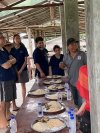
Participating in the vitamin-making activity is not only educational but also an engaging experience for everyone. The process is straightforward, and enthusiasts of all ages can join in. The only aspect to be mindful of is the water content; it should strike the right balance, not too sticky or watery, allowing the mixture to be easily shaped into perfect vitamin balls.

These unique vitamin balls serve as a powerhouse of nutrients, addressing various aspects of the elephants' health. If you share our passion for the well-being of these incredible creatures, we invite you to participate in this enriching activity offered exclusively at Chokchai Elephant Camp.

Join Us in Nurturing Elephant Health
At Chokchai Elephant Camp, we believe in the power of collective efforts to ensure the health and happiness of our elephants. If you're intrigued by the prospect of contributing to the well-being of these majestic animals, we encourage you to explore the vitamin-making activity during your visit. Your involvement not only fosters a deeper connection with the elephants but also contributes to their overall health and vitality.

Come, be a part of the journey to nurture and nourish our elephants at Chokchai Elephant Camp.

Related Content
Thai Elephants and the Global Perspective: Love, Culture, and Different Understandings
Thailand has a long cultural and historical bond with elephants, where many caretakers view them as part of their families and communities. While global discussions about animal welfare sometimes lead to criticism, it is important to understand that elephant care practices vary widely and continue to evolve. Historical cases from different countries also show that mistreatment of elephants has occurred worldwide, not in one place alone. Today, many Thai elephant camps and sanctuaries are shifting toward ethical tourism models that focus on feeding, bathing, observation, and education rather than heavy labor. Promoting accurate information, transparency, and cross-cultural dialogue can help build mutual understanding and improve elephant welfare standards internationally.
Elephant Welfare Myth: “No Hook (No Use of Hooks) Is the Only Ethical Standard?”
One common belief circulating online is that elephant care in Thailand must absolutely prohibit the use of hooks (often called elephant hooks or bull hooks) to be considered ethical and humane. However, this assumption oversimplifies how elephant welfare is actually understood in scientific, veterinary, and practical management contexts.
Elephant Activities in Thailand: Choices, Welfare Standards, and Responsible Tourism
Thailand offers a variety of elephant-related activities for visitors, ranging from riding experiences to non-riding interactions such as feeding, bathing, and educational programs. These options are considered personal choices, as each provides a different type of experience and level of interaction. Elephant camps in Thailand operate under national welfare guidelines and industry standards that emphasize animal health, rest periods, proper nutrition, safe living environments, and professional care. In addition, Thai animal welfare laws establish clear regulations and penalties to ensure responsible treatment and consistent standards across the country. Travelers are encouraged to learn about each activity, review the camp’s welfare practices, and select programs that align with their comfort level and values. Visiting elephant camps as an educational and cultural experience can help promote responsible and sustainable tourism while supporting proper animal care.
icon-whatsapp
Chokchai Elephant Camp
Typically replies in a few hours
Hello, What can we help you with today?
Start Chat
เว็บไซต์นี้มีการใช้งานคุกกี้ เพื่อเพิ่มประสิทธิภาพและประสบการณ์ที่ดีในการใช้งานเว็บไซต์ของท่าน ท่านสามารถอ่านรายละเอียดเพิ่มเติมได้ที่ Privacy Policy and Cookies Policy
Compare product
0/4
Remove all
Compare
Powered By MakeWebEasy Logo MakeWebEasy