Share

Visiting Elephants at Chokchai Elephant Camp
Last updated: 6 Dec 2023
2657 Views

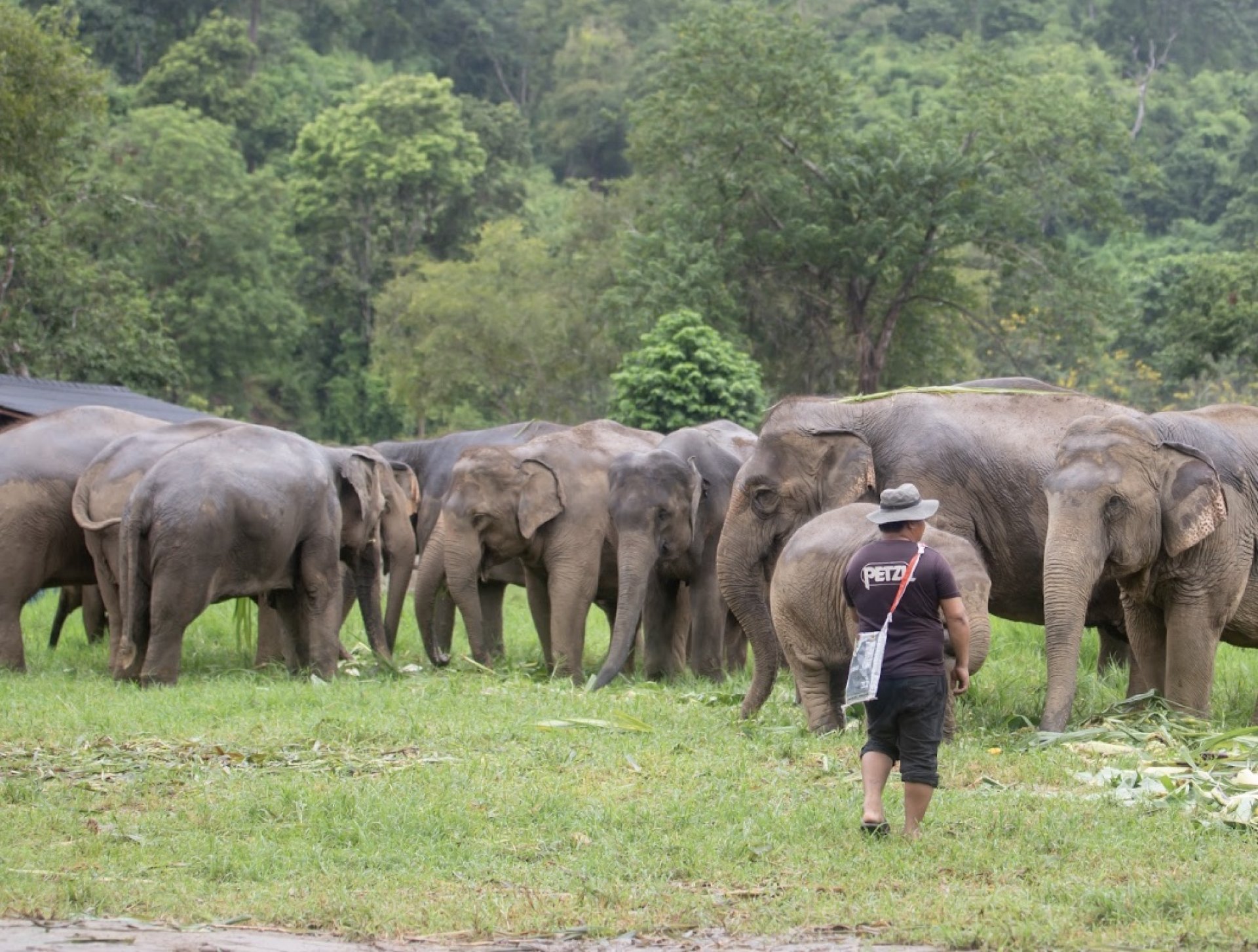
At the Chokchai Elephant Camp, elephants have developed an incredible bond with travelers because these elephants have lived alongside humans for their entire lives. They initially came here after being rescued from logging activities at the border. This history has made these elephants incredibly familiar with people throughout their lives. Visitors can get up close, hug, or even touch the elephants. However, for the safety of everyone, especially during male elephant temperamental moments, there's a precautionary health check before any encounters.

Chokchai Elephant Camp has been operating for 17 years, but the conservation program for elephants was introduced in 2022. Despite the camp's reopening, the income from conservation programs isn't enough to cover the camp's expenses like elephant food, healthcare, and more. The elephants consume around 200 kilograms of food per day, costing approximately 15,000 Baht. This has led to the camp's slogan "Elephants help people, people help elephants" this year. Consequently, the elephant rides here are unique because the elephants roam naturally, munching on leaves and foliage along the way. Travelers get to witness their happy ear flaps and wagging tails, signs of contentment. This approach is aimed at reducing stress for these elephants, letting them be themselves. However, due to the current limitations and reduced workforce, the number of tourists for elephant rides is restricted per day.

This return aims to limit the daily walks of the elephants and aid them in regaining their previous income levels. Before COVID-19, there were 200 employees; now, only about 50 remain. This situation has urged restrictions on elephant walks per day, aiding in restoring the elephants' income. Older elephants have programs that ensure they don't get overwhelmed by tourists, and their accommodations have been improved.

The hope is that this return will help create a better environment for the elephants and attract tourists to visit the Chokchai Elephant Camp under the slogan "Elephants help people, people help elephants." Let's join hands and hearts to support both the camp and its elephants during this visit.



Related Content
Thai Elephants and the Global Perspective: Love, Culture, and Different Understandings
Thailand has a long cultural and historical bond with elephants, where many caretakers view them as part of their families and communities. While global discussions about animal welfare sometimes lead to criticism, it is important to understand that elephant care practices vary widely and continue to evolve. Historical cases from different countries also show that mistreatment of elephants has occurred worldwide, not in one place alone. Today, many Thai elephant camps and sanctuaries are shifting toward ethical tourism models that focus on feeding, bathing, observation, and education rather than heavy labor. Promoting accurate information, transparency, and cross-cultural dialogue can help build mutual understanding and improve elephant welfare standards internationally.
Elephant Welfare Myth: “No Hook (No Use of Hooks) Is the Only Ethical Standard?”
One common belief circulating online is that elephant care in Thailand must absolutely prohibit the use of hooks (often called elephant hooks or bull hooks) to be considered ethical and humane. However, this assumption oversimplifies how elephant welfare is actually understood in scientific, veterinary, and practical management contexts.
Elephant Activities in Thailand: Choices, Welfare Standards, and Responsible Tourism
Thailand offers a variety of elephant-related activities for visitors, ranging from riding experiences to non-riding interactions such as feeding, bathing, and educational programs. These options are considered personal choices, as each provides a different type of experience and level of interaction. Elephant camps in Thailand operate under national welfare guidelines and industry standards that emphasize animal health, rest periods, proper nutrition, safe living environments, and professional care. In addition, Thai animal welfare laws establish clear regulations and penalties to ensure responsible treatment and consistent standards across the country. Travelers are encouraged to learn about each activity, review the camp’s welfare practices, and select programs that align with their comfort level and values. Visiting elephant camps as an educational and cultural experience can help promote responsible and sustainable tourism while supporting proper animal care.
icon-whatsapp
Chokchai Elephant Camp
Typically replies in a few hours
Hello, What can we help you with today?
Start Chat
เว็บไซต์นี้มีการใช้งานคุกกี้ เพื่อเพิ่มประสิทธิภาพและประสบการณ์ที่ดีในการใช้งานเว็บไซต์ของท่าน ท่านสามารถอ่านรายละเอียดเพิ่มเติมได้ที่ Privacy Policy and Cookies Policy
Compare product
0/4
Remove all
Compare
Powered By MakeWebEasy Logo MakeWebEasy