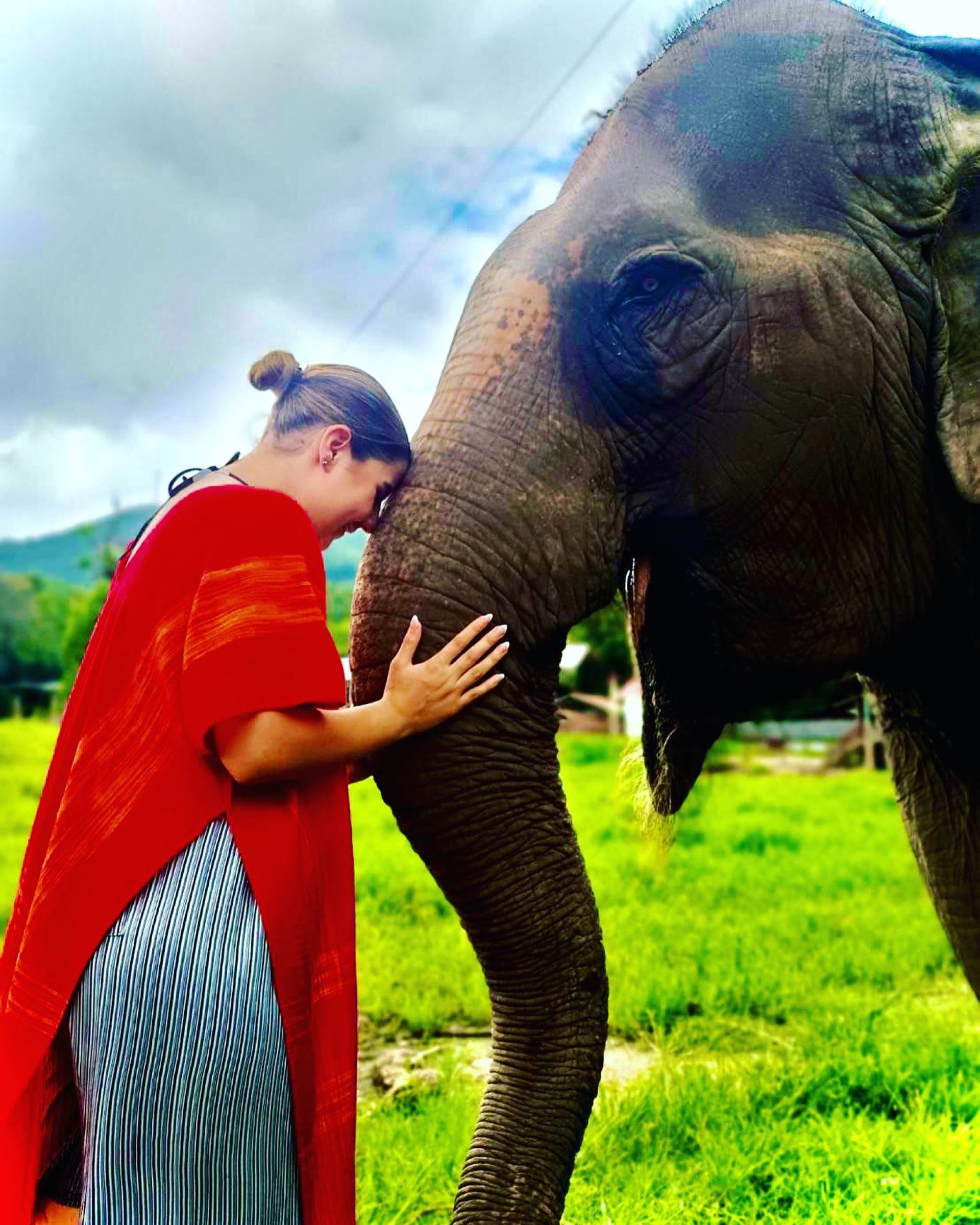
Elephants communicate using a wide range of vocalizations, including trumpets and rumbles. They also use infrasound, which is below the range of human hearing, to communicate over long distances.
Last updated: 17 Sept 2023
1462 Views
Related Content

Why do Chokchai Elephant Camp still has an elephant riding? In our concept of "better mahout life, better elephant care".

Discover the fascinating world of elephants and learn why stepping on their poop can actually be a good thing!

One common belief circulating online is that elephant care in Thailand must absolutely prohibit the use of hooks (often called elephant hooks or bull hooks) to be considered ethical and humane. However, this assumption oversimplifies how elephant welfare is actually understood in scientific, veterinary, and practical management contexts.


